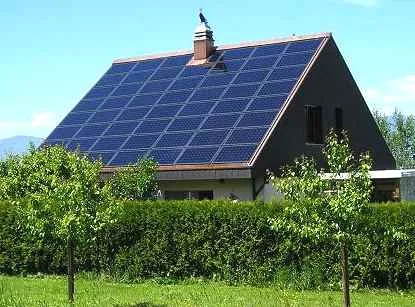
Solar power in the United States combines large utility-scale solar power plants with distributed local generation—predominantly rooftop photovoltaic (PV) systems on homes and commercial buildings. Because the sun is the foundational energy source sustaining all life on Earth, modern photovoltaic and solar thermal technologies allow communities to harvest clean electricity freely once systems are installed.
Global Adoption: From US Utility Plants to New Zealand Schools
Utility-scale and distributed solar installations continue to grow across diverse energy markets:
- United States: Solar power spans everything from humble solar calculators and residential rooftops to historic desert installations like California’s SEGS Concentrating Solar Power (CSP) facility in the Mojave Desert, capable of generating 354 MW of electricity.
- New Zealand’s Schoolgen Program: While New Zealand focused heavily on hydro and wind power—leaving solar around 1 percent of generation in early years—Genesis Energy’s Schoolgen educational program installed solar systems across 42 schools, generating 39,714 kWh / MWh-tracked educational output between February 2007 and December 2012 to teach students about renewable energy firsthand.
PV vs. CSP and Affordable Residential Systems
The two main solar electricity architectures serve complementary roles: Concentrating Solar Power (CSP) uses tracking mirrors or lenses to focus wide sunlight into a concentrated thermal beam, whereas Photovoltaics (PV) converts sunlight directly into electric current with no moving parts.
While mega-scale solar power stations are impressive feats of engineering, the most transformative impact for everyday families lies in accessible, affordable residential photovoltaics—and for budget-conscious learners, DIY solar kits offer an entry-level way to promote energy conservation and clean power with minimal upfront cost.