
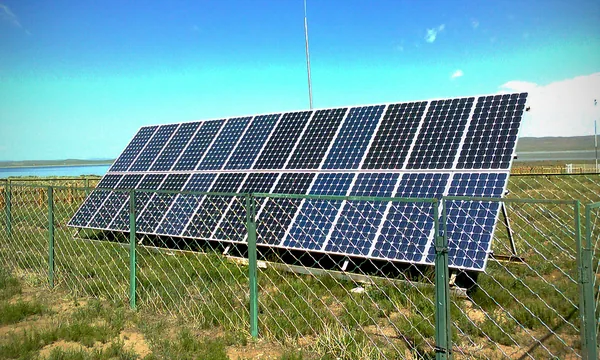
Solar electricity systems come in many shapes and capacities, with grid-tied residential systems (also known as utility-linked or grid-connected systems) being the most popular choice for homeowners. Installed on homes already connected to the electric utility, modern grid-tied arrays are simpler and more affordable to purchase and install than ever thanks to improvements in regulations and inverter technology.
High Energy Return and Zero Fuel Inflation
Well-positioned photovoltaic cells deliver remarkable energy value: a single well-sited square yard of efficient PV cells can offset the energy equivalent of roughly one barrel of petroleum each year. Solar power brings immediate environmental and financial advantages:
- Ultra-Clean Generation: Contributes nothing to smog, air pollution, or acid rain, with a minimal lifecycle carbon footprint.
- Stable Operating Costs: Beyond light routine care and occasional component maintenance, sunlight itself never rises in price—unlike fossil fuels whose costs escalate over time.
- Versatile Real-World Applications: From residential homes, outdoor lighting, solar cooking, and architectural integration to remote off-grid regions and spacecraft in outer space, solar power proves its dependability everywhere.
Clean Air and Protecting Future Sunlight
While solar panels themselves cause no harm to the surrounding environment, air pollution can reduce the amount of sunlight reaching Earth’s surface—a phenomenon known as global dimming, caused by airborne particulate pollution. Transitioning homes and communities away from polluting fossil fuels toward solar power creates a positive cycle: cleaner skies allow even more sunlight to reach the panels powering our homes.