
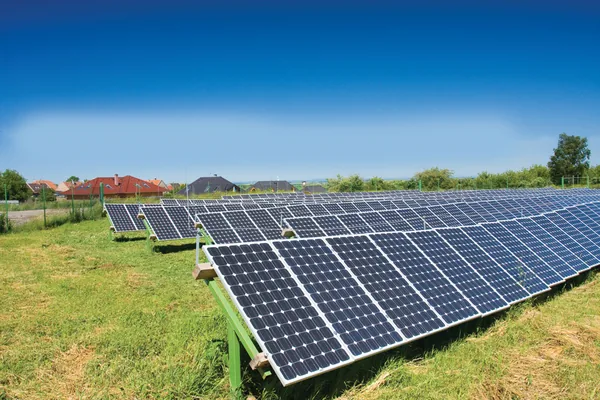
Sunlight has always been freely available across the planet, yet only in recent decades have modern photovoltaic and concentrating solar technologies unlocked practical ways to turn that light into everyday electricity. Today, a residential or commercial solar power system can supply full electrical needs, provide backup electricity alongside storage, or supplement a conventional utility grid connection.
Solar Electricity (PV) vs. Solar Water Heaters
One common point of confusion is treating all rooftop solar equipment as identical. Solar photovoltaic (PV) systems convert sunlight directly into electrical current using semiconductor cells, whereas solar hot water heaters capture thermal heat to warm household water. Both technologies are widely offered by experienced providers at competitive quality and pricing, and many homes benefit from combining them.
Meanwhile, utility-scale Concentrating Solar Power (CSP) systems rely on tracking mirrors or lenses to focus large areas of sunlight onto a central receiver.
Quiet, Zero-Carbon Growth Since the Late 1990s
Solar electricity generation is virtually silent and produces zero carbon dioxide during operation. Driven by continuous research and rapid manufacturing scale—growing steadily since the late 1990s, with China alone producing 1,700 MW of solar panel systems in 2007 (nearly half of global output at the time)—solar power has become one of the world’s most vital energy industries. With sustained innovation, clean solar electricity holds tremendous potential to dramatically cut reliance on conventional fossil fuels over the coming decades.