
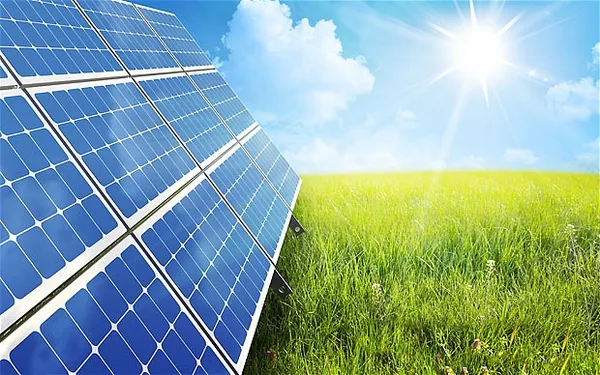
A frequent myth about solar power is that it cannot support dependable electricity supply after sunset or during overcast weather. In reality, modern Concentrating Solar Power (CSP) facilities store daytime solar heat inside insulated tanks of molten salt mixtures—allowing turbines to continue generating electricity smoothly through the night or during cloudy spells.
How Concentrating Solar Power Captures and Stores Heat
Concentrating Solar Power (also known as solar thermal electricity) uses tracking mirrors or lenses to focus sunlight from a wide area onto a compact receiver. The concentrated sunlight heats a working fluid, which then drives conventional steam turbines or charges thermal energy storage tanks for later dispatch.
Seasonal Balance and Combined Renewable Grids
Wind power and solar power naturally complement one another in many regions, since summer often brings abundant sunshine while winter typically brings stronger winds. In higher latitudes far from the equator where solar output varies seasonally, long-term storage mediums such as hydrogen or dispatchable biomass help bridge calm, cloudy days.
Research by the Institute for Solar Energy Supply Technology demonstrated how a combined renewable power plant—linking solar, wind, biogas, and pumped hydro storage—can deliver reliable, load-following electricity around the clock entirely from sustainable sources.
Meeting Global Electricity Demand
The amount of solar energy reaching Earth every day far exceeds global electricity demand. As photovoltaic efficiency improves and costs continue to fall, it is no surprise that homeowners and communities worldwide are increasingly transitioning from conventional fossil power to clean solar electricity.