
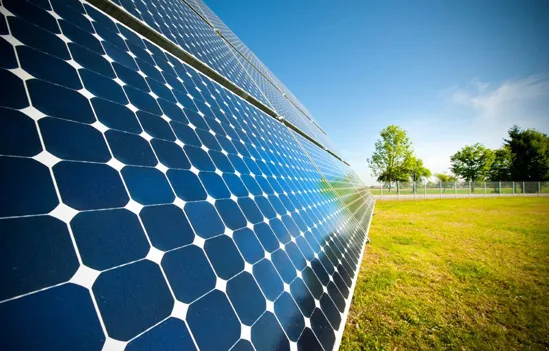
Solar power has matured from experimental installations into one of the most reliable clean-energy options for both utilities and homeowners. Whether deployed on residential rooftops or across utility-scale plants, sunlight provides renewable electricity that reduces environmental harm while helping households manage long-term energy expenses.
Licensed Installation vs. Small DIY Learning Projects
When installing a permanent residential solar array, working with licensed and accredited installers helps prevent costly wiring, roof-sealing, and sizing mistakes while ensuring high-quality panels and warranty protection. Because the upfront price of full commercial installations—historically running well over $19,000 for large homes—can deter some homeowners, many enthusiasts also explore small weekend DIY solar panel projects costing under $180 to learn photovoltaic fundamentals and power small off-grid loads.
Utility Milestones: Spain’s PS10 and PS20 Solar Towers
In utility-scale Concentrating Solar Power (CSP), Spain became an early world leader with more than 2,000 MW installed. Abengoa Solar launched commercial operation of the PS20 solar power tower in late April 2009, right beside its predecessor PS10—the world’s first commercial solar tower plant. Using a field of 1,255 flat tracking mirrors (heliostats), PS20 concentrates sunlight onto a central tower receiver that boils water into steam to drive an electricity-generating turbine, outperforming its initial output projections.
Looking Ahead: Lunar Solar Power Research
Scientists have even studied extraterrestrial solar harvesting. Researcher David Criswell proposed locating solar power stations on the Moon using in-situ lunar materials and teleoperated robotic assembly to build microwave reflectors and solar cells—reducing Earth launch costs compared to orbital designs—while Japan’s Shimizu Corporation explored a “Luna Ring” concept combining microwave and laser power relay satellites. Though demonstration estimates start near $50 billion per gigawatt, such studies highlight the vast scale of solar innovation.